Hasbro, Inc. has announced a landmark financial achievement, with its venerable trading card game, Magic: The Gathering, surpassing $500 million in quarterly revenue for the first time in its over 30-year history during the second quarter of 2026. This unprecedented performance by the iconic fantasy franchise served as a primary catalyst, propelling Hasbro’s overall revenue up by a robust 16% for the quarter. The significant surge underscores the enduring power of core intellectual property and signals a successful pivot in Hasbro’s strategic direction, particularly concerning its digital entertainment ambitions.
A Quarter of Unprecedented Growth Driven by Core IP
The second quarter of 2026 proved to be a pivotal period for Hasbro, with the company’s financial results exceeding internal projections and analyst expectations. The headline figure, a 16% increase in overall revenue, was directly attributed to the stellar performance of key brands, most notably Magic: The Gathering. CEO Chris Cocks, in a call with analysts, enthusiastically declared that Magic: The Gathering was "off to a ripping start" for the year, solidifying its position not merely as a niche hobby but as a "mega franchise." The game’s revenue growth alone was a remarkable 32% in Q2, demonstrating exceptional market resonance and player engagement.
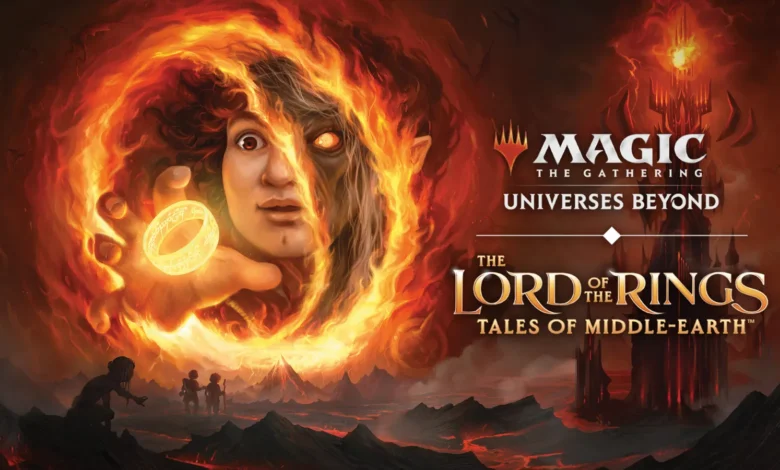
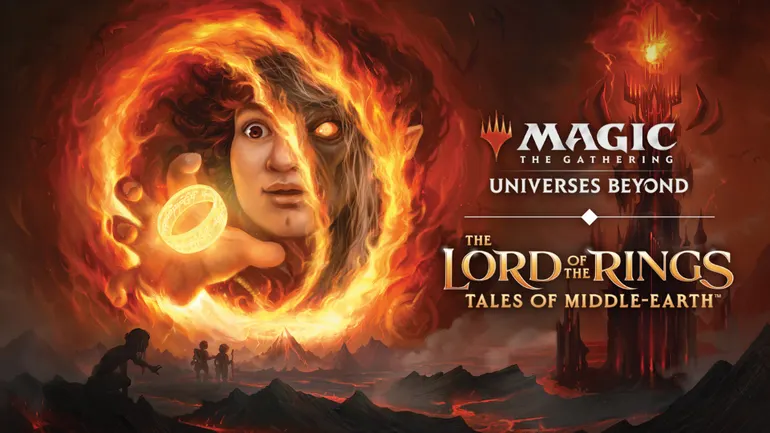
This historic $500 million quarterly revenue for Magic: The Gathering represents a culmination of strategic product releases, robust community engagement, and a testament to the brand’s sustained cultural relevance. The success was significantly bolstered by recent expansions, particularly the highly anticipated "Lord of the Rings: Tales of Middle-earth" set, which captured both existing fans and new players drawn by the universally beloved fantasy IP. Such crossover collaborations have consistently proven to be powerful drivers for the brand, expanding its reach beyond its traditional player base. The sustained interest in both physical cards and its digital counterpart, Magic: The Gathering Arena, illustrates a successful omnichannel strategy.
Strategic Reorientation in Digital Gaming
In conjunction with these impressive financial results, Hasbro unveiled a significant recalibration of its digital entertainment strategy. The company has undertaken a comprehensive review of its digital portfolio, leading to the decision to cancel several games that were slated for release in 2028 and beyond. This strategic pruning resulted in a $56 million non-cash write-down this quarter for related capitalized costs, a clear indication of Hasbro’s commitment to a more focused and capital-efficient approach.
The new digital strategy centers on leveraging proven trading card and role-playing game brands with substantial existing fan bases and demonstrable potential to evolve into significant digital franchises. Magic: The Gathering stands as the prime example of this refined focus, already recognized by CEO Cocks as "one of the most successful digital trading card games of all time." This strategic shift is expected to yield substantial efficiencies, with Hasbro projecting a decrease in total digital spend by at least 25% annually by 2028. Cocks elaborated on this operational evolution, stating, "As we move into the next generation of games, our model becomes more efficient. We are past the startup phase. We now have more mature tools, teams, and production processes." This signals a move away from speculative, broad-based digital development towards a more targeted, disciplined approach that prioritizes high-probability successes derived from established intellectual property.
The Evolution of Magic: The Gathering – A 30-Year Saga
Magic: The Gathering, created by Richard Garfield and first published by Wizards of the Coast (a Hasbro subsidiary since 1999) in 1993, pioneered the collectible card game genre. For over three decades, it has maintained a loyal global following, evolving from a cult classic played in local game stores to a multi-platform entertainment behemoth. Its intricate gameplay, rich lore, and constantly expanding universe through new card sets have ensured its longevity. The game’s success is not merely in its physical product; its robust competitive scene, including professional tournaments with significant prize pools, and its thriving digital adaptation, Magic: The Gathering Arena, have expanded its ecosystem dramatically.
The game’s 30+ year journey has seen it navigate various market shifts, from the dot-com bubble to the rise of digital gaming and the recent resurgence of interest in physical collectibles. Its ability to continuously innovate with new mechanics, engage diverse artists, and strategically partner with other beloved franchises (like The Lord of the Rings) has been key to its enduring appeal and recent record-breaking performance. The $500 million quarterly revenue milestone is a stark reminder of the power of a well-managed, deeply loved intellectual property, especially when integrated effectively across physical and digital formats. This performance places Magic: The Gathering in an elite category, rivaling revenues typically seen in major video game franchises or blockbuster film series.
Broader Strategic Initiatives and Market Diversification

The success of Magic: The Gathering and the strategic digital recalibration are part of a broader, more aggressive strategy being implemented by Hasbro under Chris Cocks’ leadership. The company has been actively exploring new avenues for IP monetization and market expansion.
Earlier in the summer, Hasbro announced the launch of Sixth Wall, an innovative AI studio designed to enhance control over its vast intellectual property portfolio. Sixth Wall introduced a novel category of IP licensing dubbed "behavioral licensing," which focuses on allowing AI models and dynamic experiences to accurately mimic how beloved characters think, speak, and interact. This initiative is forward-looking, aiming to unlock new revenue streams in the burgeoning AI and metaverse spaces, ensuring Hasbro’s iconic characters like Optimus Prime and Mr. Potato Head can be authentically represented in future digital environments. This move positions Hasbro at the forefront of leveraging advanced technology to expand the reach and value of its brands.
Concurrently, Hasbro has also ventured into the adult crafting and home decor market with the debut of Blooms by Play-Doh. This innovative product line reimagines the classic modeling compound for an adult audience, offering kits designed for relaxation, creativity, and home embellishment. The initial launch of these kits proved exceptionally successful, selling out at major retailers in less than 24 hours, according to Cocks. This rapid market absorption signals a significant appetite for nostalgic, creative, and wellness-oriented products among adult consumers, a demographic Hasbro is increasingly keen to tap into. This diversification into non-traditional segments demonstrates Hasbro’s willingness to innovate beyond its core toy and game offerings, seeking growth in adjacent lifestyle markets.
Financial Outlook and Investor Confidence
The strong second-quarter performance, spearheaded by Magic: The Gathering, and the clarity around its digital strategy have prompted Hasbro to revise its full-year financial outlook upwards. The company now anticipates total revenue to increase between 5% and 7% for the full year, a significant improvement from its previous expectation of a 3% to 5% increase. This revised guidance is a strong indicator of management’s confidence in the sustainability of its current growth drivers and the effectiveness of its strategic adjustments.
Analysts and investors are likely to view these developments positively. The focus on core, high-performing intellectual property, combined with a more disciplined and efficient digital strategy, addresses concerns that had previously lingered regarding Hasbro’s diversification efforts and digital investments. The ability to generate significant revenue from established brands like Magic: The Gathering, while simultaneously exploring innovative licensing models through AI and expanding into new consumer segments, paints a picture of a company executing a well-rounded growth strategy. The increased revenue guidance is expected to bolster investor confidence, potentially impacting Hasbro’s stock performance favorably in the coming quarters.

Implications for the Toy and Gaming Industry
Hasbro’s recent success and strategic shifts carry broader implications for the global toy and gaming industry. The record performance of Magic: The Gathering underscores the immense value of deeply entrenched intellectual property and the power of cultivating strong, engaged communities around these brands. In an increasingly fragmented entertainment landscape, properties with a long history and loyal following offer a stable foundation for growth.
The company’s refined digital strategy, emphasizing proven brands and capital efficiency, could serve as a blueprint for other traditional toy and game companies navigating the complex digital realm. Instead of chasing every new trend or attempting to build new digital IPs from scratch, leveraging existing successful franchises for digital expansion appears to be a more prudent and profitable path. The significant reduction in digital spend, while still aiming for growth in key areas, highlights a mature approach to digital transformation.
Furthermore, Hasbro’s ventures into AI-powered IP licensing and adult-focused lifestyle products reflect a broader industry trend of diversification and innovation. Companies are recognizing the need to expand beyond traditional play patterns and age demographics, seeking to monetize their brands in novel ways and tap into emerging consumer needs, such as adult wellness and creative expression. The rapid sell-out of Blooms by Play-Doh suggests a vibrant market for these innovative product categories.
In conclusion, Hasbro’s second quarter of 2026 marks a turning point, characterized by record-breaking performance from its flagship Magic: The Gathering franchise and a clear, focused strategic direction. By prioritizing core strengths, optimizing digital investments, and exploring innovative growth avenues, Hasbro is positioning itself for sustained success in a dynamic global market. The company’s renewed vigor and strategic clarity suggest a promising trajectory for its diverse portfolio of beloved brands.